No time to read right now? Here’s the 30 second version:
Upset Prevention and Recovery Training (UPRT - a.k.a. “Spin training”) is an underappreciated way to improve your edge-of-the-envelope skills and safety.
Forming a learning cohort (just a group of pilots with a common learning interest) can be a tremendous way to boost skills, stay current, and add an element of teamwork to your flying.
Becoming an Advanced Ground Instructor (AGI) or Instrument Ground Instructor (IGI) may be easier and more rewarding than you think!
Here’s the full version:
There are dozens of very popular and well-known ways to improve your piloting skills and knowledge. Some of the best of these include chair flying (i.e. practicing flying procedures and skills on the ground), adding an Instrument rating if you don’t already have one, flying in busier or more complex airspace than you are used to, using a simulator, flying with other pilots who are more experienced than you or a CFI, flying more often, flying at night, learning more about your aircraft systems, completing FAA WINGS credits, and visiting an ATC control tower and talking to the controllers. However, this article isn’t about any of those. It is about three ways to improve your flying that you might not have heard of or thought about.
1. Take Upset Prevention and Recovery Training (UPRT)
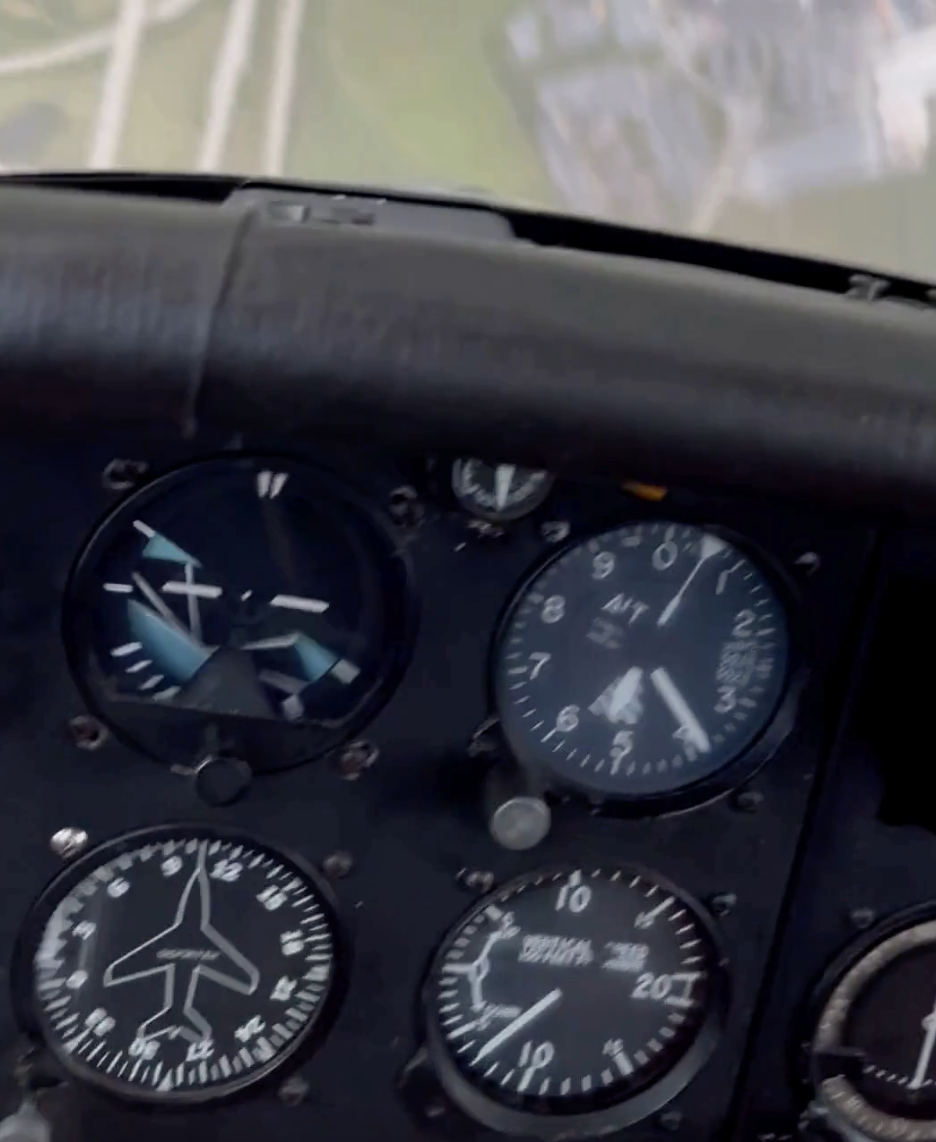
Pilots (in the U.S. at least) are required to perform stalls and have some basic awareness of spins at the Private Pilot level, but are not required to actually spin an aircraft unless they are preparing to become a Certified Flight Instructor (CFI). At first, I considered Upset Prevention and Recovery Training (often shortened to UPRT or just “spin training”) as just another box to check off on the way to becoming a CFI, but it turned out to be one of the most valuable flying lessons of my life. During CFI training, you go beyond the familiar power-on and power-off stalls and must learn to demonstrate other stall varieties such as the “cross-controlled stall demo” - where you intentionally put the aircraft into a condition that you’ve been warned against for the entirety of your flying career up until that point. Performing these maneuvers which are - by their very nature - more likely to result in an inadvertent spin can be uncomfortable at best if your only tool for getting out of a spin is a fleeting memory of the PARE mnemonic. Spins happen fast. UPRT training not only gives you some muscle memory of how to actually recover from a real spin should you ever wind up getting into trouble, but it also gives you increased awareness of impending indications leading up to stalls and spins, and gets you comfortable with the entire envelope of flight attitudes and airspeeds that you might encounter. Did I mention that it is also ridiculously fun?
2. Find a Learning Cohort

A learning cohort is a group of people who share a common interest or goal and meet (either in-person or virtually) to support each other and work toward that goal. Finding a learning cohort can make the difference between succeeding in your goals or calling it quits – especially during these critical times:
When you’re first starting out as a student pilot and you have no idea if this whole “becoming a pilot thing” is even possible.
During periods of trying to absorb large amounts of technical information (e.g. preparing for an Instrument rating).
When you need to practice teaching others (e.g. preparing to become a flight instructor).
Additionally, a learning cohort can be invaluable for scenario-based practice to help keep your knowledge and skills sharp during times when it can be difficult to put those skills into practice as frequently as you’d like. For example, you may form a group to practice planning hypothetical instrument flights together during winter months when freezing levels can preclude actual flight in clouds for many small aircraft. You can meet anywhere, but a nice warm FBO with comfortable chairs, coffee, and a projector/TV that you can plug into for presenting videos or sharing your iPad screen is ideal.
So how do you start a learning cohort? If you are in a flying club, then this is a natural place to start. It’s as simple as sending a text or email to the group saying something like “Does anyone want to get together Tuesday nights at the hangar/FBO/Pete’s house/Starbucks to practice IFR flight planning?” Otherwise, consider reaching out to pilots you know from around the airport who you might have similar aviation interests with. Social media can also be a way to set up virtual meetups with pilots who are interested in forming a virtual cohort.
So you’ve found a group, agreed on a meeting place, and got a few pilots in the same room (or virtual room) – what do you do now? Here are a few ideas for getting started:
Find a YouTube video about the topic of interest. Watch it together and pause it at key points for discussion.
Pretend that you are flying from one airport to another. Plan the flight as a group. Talk about experiences with airports, airspace, weather, and your aircraft that you’ve encountered in similar circumstances.
If you are preparing for an FAA knowledge test, take turns asking each other practice questions from that test. If you are preparing for a checkride, take turns pretending to be the DPE and asking questions from an ASA Oral Exam Guide (or other similar product).
It’s amazing how meeting up with other pilots to learn about a topic can lead to flights together, partnerships in aircraft purchases, and forming real friendships.
3. Become a Ground Instructor

Before you skip over this one, earning an Advanced Ground Instructor (AGI) or Instrument Ground Instructor (IGI) certificate is probably easier than you think, and may have some nice benefits for you - even if you’re never planning on becoming a flight instructor.
First, what is it? Essentially, a Ground Instructor is someone who has taken an FAA knowledge test on aviation topics, as well as a test on the Fundamentals of Instruction (FOI) – unless they are employed as a grade school or college teacher, in which case the FOI is waived. This person is then allowed to provide ground instruction and some sign-offs related to various certificates and ratings.
A few interesting things about this: First, there is no checkride. You just take one (or two) knowledge tests, arrange a live or virtual meeting with the FSDO, and your certificate comes in the mail. Second, there is no expiration – although there are currency requirements, so be sure to check FAR 61.215 for details.
While it is pretty unlikely that you’ll become a full-time ground instructor for a living (although I’m told that these do exist), you may be able to set up a nice gig tutoring aviation students or helping checkride applicants prepare for their oral exams. For those of you interested in becoming a CFI some day, this teaching experience will make your CFI training significantly easier, and will spare you from needing to take the Fundamentals of Instruction exam as part of your CFI training.
While the following might sound a bit silly at first, getting a ground instructor certificate can be a tremendous form of checkride knowledge prep in itself. I took my Instrument rating knowledge test very early on in my Instrument training, and many months had passed until I was ready to take my checkride. I decided to take the Instrument Ground Instructor (IGI) test a few weeks before my checkride to serve as a refresher. I studied like crazy, earned a 100% on my IGI test, and went into my Instrument checkride with a ton of confidence in my knowledge. I later took the Advanced Ground Instructor (AGI) test a few weeks after taking the Flight Instructor knowledge test to leverage the similarity between the two, but taking the AGI test as a "warm up" for the Commercial checkride is another option.
Becoming a ground instructor isn’t for everyone, but I think many pilots don’t even realize that the opportunity exists. 🛩️
